Customer Personalization: 5 Conversion Tips for Businesses
Customer Experience Personalization: 5 Conversion Tips
1. What Is Customer Experience Personalization?
Customer Experience Personalization is the practice of tailoring content, marketing messages, and customer interactions based on individual customer data, behaviors, preferences, and needs. Instead of delivering the same experience to every customer, businesses create more relevant and customized journeys for different individuals or customer segments.
In practice, personalization can be applied across multiple touchpoints. Examples include recommending products based on purchase history, sending messages when customers are most likely to engage, or adapting sales and support conversations based on previous interactions. The goal is simple: deliver the right message to the right customer at the right time.
An effective personalization strategy is typically built on three key components:
- Customer data
- Behavioral insights and analytics
- Technology and automation tools
2. Why Is Customer Experience Personalization Important?
As competition continues to intensify across industries, customer experience has become a major differentiator. Personalization enables businesses to create more relevant interactions, improve engagement, and drive measurable business outcomes.
Increase Conversion Rates Through Relevance
Customers are more likely to engage with content and offers that align with their immediate needs and interests. Whether it's recommending products based on browsing behavior or sending targeted promotions at the right moment, personalization makes marketing and sales communications more relevant, resulting in higher conversion rates.
Improve Customer Retention and Loyalty
Acquiring customers is only the first step. Without ongoing engagement, customers can quickly lose interest in a brand. Personalization helps businesses maintain meaningful relationships through tailored post-purchase communications, loyalty campaigns, and proactive customer support.
Optimize Marketing and Sales Efficiency
Many businesses waste marketing budget by targeting audiences too broadly. With personalization, organizations can focus resources on high-intent customer segments, improving campaign performance while reducing unnecessary spending.
Strengthen Competitive Advantage
Customers increasingly expect brands to understand their preferences and provide relevant experiences. Businesses that consistently deliver personalized interactions are more likely to build trust, increase customer satisfaction, and create long-term competitive advantages.
3. Key Elements of Successful Customer Experience Personalization
Personalization goes far beyond simply inserting a customer's name into an email. To create meaningful personalized experiences, businesses need the right foundation of data, processes, and technology.
Centralized and Comprehensive Customer Data
Every personalization initiative starts with customer data. Information such as purchase history, browsing behavior, communication preferences, interaction history, and engagement patterns provides the context needed to understand customer needs.
However, data alone is not enough. It must be organized and centralized to provide a complete view of the customer journey rather than isolated snapshots from different channels.
Customer Behavior Analysis
Understanding where customers are in their journey is critical for delivering relevant experiences.
For example:
- New prospects require education and trust-building.
- Customers evaluating solutions need detailed information and guidance.
- Existing customers benefit from retention and upselling initiatives.
Behavior-based segmentation allows businesses to deliver the most relevant content and interactions at every stage.
Contextual and Relevant Content
One of the most common personalization mistakes is collecting customer data but continuing to send generic messages.
Effective personalization requires adapting both content and communication style based on customer context. The most successful brands focus on helping customers solve problems rather than simply pushing promotional messages.
Technology and Automation
Manual personalization becomes increasingly difficult as customer volume grows.
Modern AI-powered platforms and automation tools help businesses collect data, segment audiences, trigger workflows, and deliver personalized experiences at scale while maintaining operational efficiency.
4. Five Customer Experience Personalization Strategies
1. Personalize Using Customer Information
Using a customer's name, location, purchase history, or previous interactions can make communications feel more relevant and engaging.
The key is not simply inserting personal information, but using it within a meaningful context. For example, recommending complementary products based on previous purchases is significantly more effective than sending generic promotions.
2. Segment Customers Based on Behavior
Not all customers should receive the same message.
Businesses should create distinct audience segments such as:
- New customers
- Prospective customers
- Existing customers
- Inactive customers
- High-value customers
Each segment should receive communications aligned with their specific needs and stage in the customer lifecycle.
3. Deliver Consistent Omnichannel Experiences
Today's customers interact with brands across multiple channels, including websites, social media platforms, messaging apps, and email.
To provide a seamless experience, businesses need to synchronize customer data across channels and maintain consistent messaging regardless of where interactions occur.
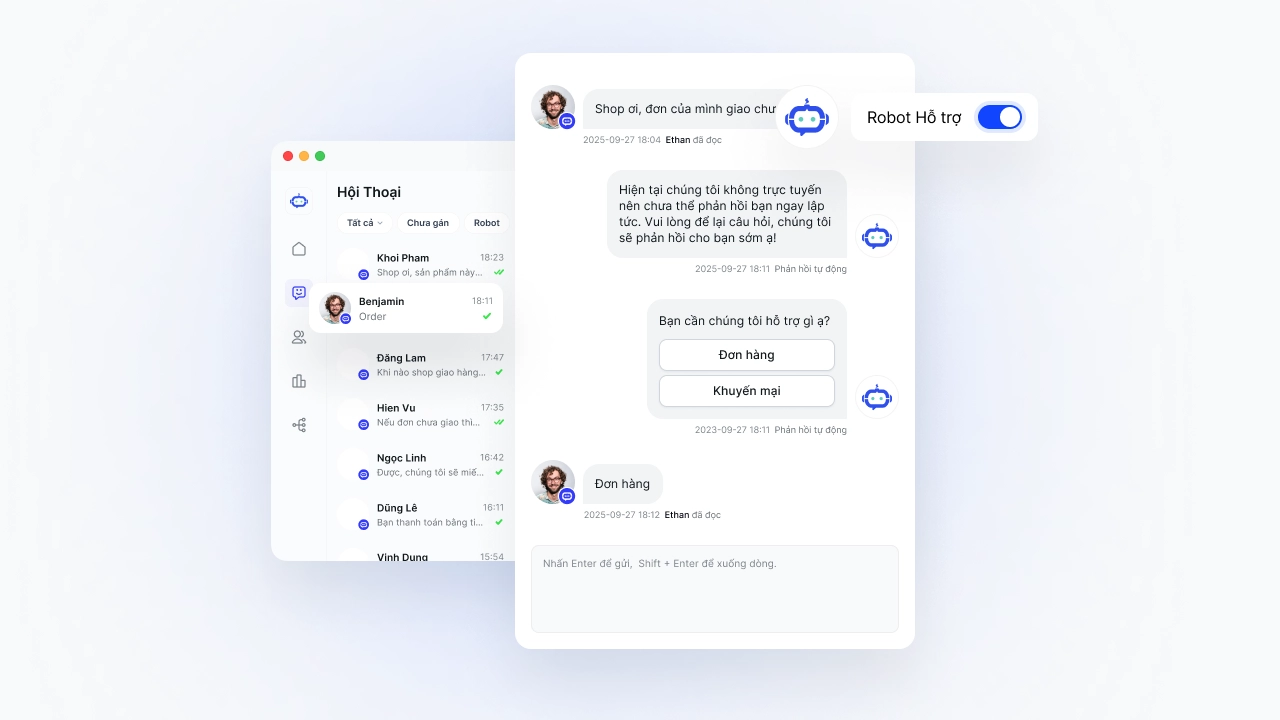
4. Use Chatbots to Scale Personalized Engagement
As customer volumes increase, maintaining personalized interactions manually becomes increasingly challenging.
AI chatbots and automation workflows allow businesses to deliver personalized support, recommendations, and follow-up communications at scale while ensuring customers receive timely responses.
5. Leverage AI to Predict Customer Needs
Artificial intelligence enables businesses to move beyond reactive personalization.
By analyzing customer behavior patterns, AI can predict future interests, identify purchase intent, and recommend the next best action. This allows businesses to proactively engage customers before they actively seek assistance.
5. How SaleSmartly Helps Businesses Personalize Customer Experiences
Creating personalized customer experiences requires more than customer data alone. Businesses also need tools that can connect customer insights, automation, and AI into a unified workflow.
SaleSmartly is a customer engagement platform designed to help businesses deliver personalized experiences across multiple communication channels.
Centralize Customer Data
SaleSmartly consolidates customer interactions, conversation history, and behavioral data from multiple channels into a single platform, giving teams a complete view of each customer.
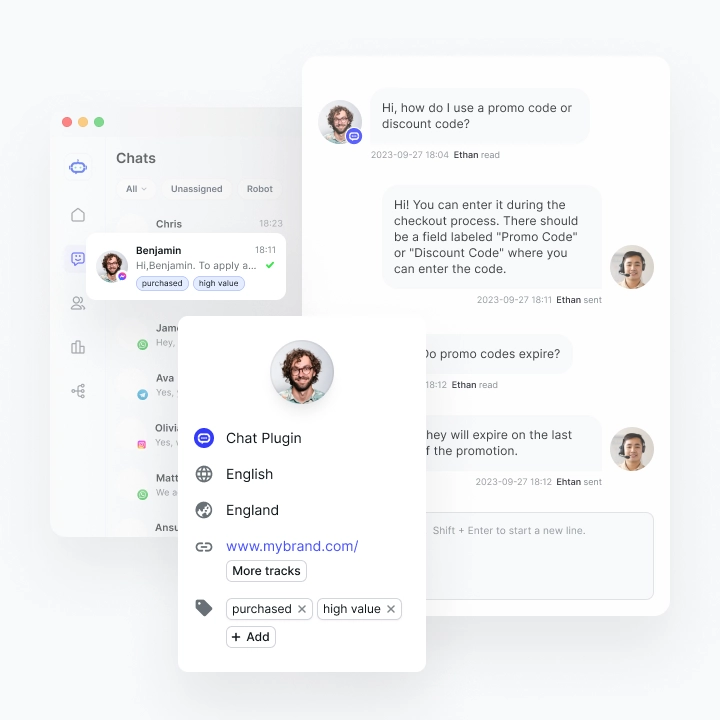
Automatically Segment and Tag Customers
Businesses can automatically classify customers based on behavior, interests, lifecycle stage, or purchase history.
Examples include:
- New leads
- High-intent prospects
- Repeat customers
- VIP customers
This segmentation enables more targeted communication and personalized customer journeys.
Build Behavior-Based Chatbot Workflows
SaleSmartly allows businesses to create automated workflows based on specific customer actions, such as:
- First-time inquiries
- Product views without purchase
- Returning visitors
- Post-purchase interactions
AI-powered chatbots can identify customer intent and provide contextual responses in real time.
Personalize Messaging and Timing
Businesses can automate welcome messages, abandoned cart reminders, reorder notifications, promotional campaigns, and post-purchase follow-ups based on customer behavior.
This ensures communications are delivered when they are most relevant and likely to generate engagement.
Deliver Omnichannel Personalization
SaleSmartly integrates with Facebook, Instagram, WhatsApp, websites, and other communication channels, allowing businesses to maintain consistent customer experiences across every touchpoint.
6. Conclusion
Customer experience personalization is no longer a competitive advantage—it has become a business necessity. As customer expectations continue to rise, generic communication and one-size-fits-all marketing strategies are becoming increasingly ineffective.
The most successful personalization strategies do not begin with complex technology. They start with understanding customers, organizing data effectively, and delivering relevant experiences throughout the customer journey.
By combining customer insights, automation, and AI-driven engagement, businesses can improve customer satisfaction, increase retention, and drive sustainable growth.
Ready to create more personalized customer experiences?
Start your free SaleSmartly trial today and discover how AI, automation, and omnichannel customer engagement can help your business build stronger customer relationships at scale.
30+ Facebook Page Quick Reply Templates That Convert
30+ Facebook Page quick reply templates for every stage — welcome, consultation, pricing, and closing — to help your team respond faster and convert more leads.
TikTok Auto-Reply Mesages: Setup Guide for Businesses
Learn how to set up TikTok auto replies, improve response times, automate customer service, and manage TikTok conversations more efficiently.
