What Is a CDP? CDP vs CRM vs DMP: Which One Is Right for Your Business?
CDP is a platform that helps businesses unify and leverage customer data from multiple sources to improve marketing performance and customer engagement. This article explains what a CDP is, how it works, its key benefits, and how it differs from CRM and DMP solutions to help you choose the right approach for your business.
What Is a CDP? What Is Its Role?
A CDP (Customer Data Platform) is a system that collects, unifies, and manages customer data from multiple sources, creating a single customer view.
Unlike data that is scattered across websites, CRM systems, social media platforms, and other channels, a CDP acts as a centralized data hub. It enables businesses to gain a comprehensive understanding of their customers and execute more effective marketing and customer engagement strategies.
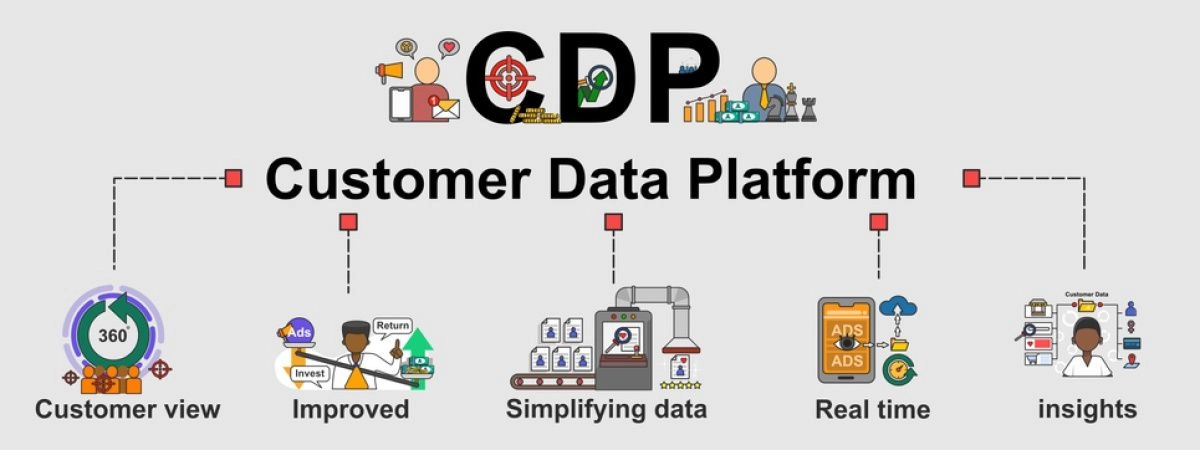
How Does a CDP (Customer Data Platform) Work?
A CDP typically operates through three key stages:
- Data Collection: Gather customer data from websites, mobile applications, CRM systems, chatbots, email platforms, social media channels, and more.
- Data Processing and Unification: Clean, deduplicate, and merge customer information into a unified customer profile.
- Data Activation: Use customer data for segmentation, personalization, marketing campaigns, and customer engagement initiatives.
This process allows businesses to track the entire customer journey instead of viewing individual touchpoints separately.
Benefits of a CDP for Marketing and Customer Engagement
A CDP provides significant value across both marketing and operational activities:
- Gain a deeper understanding of customers through real-time data
- Deliver more personalized content and customer experiences
- Improve marketing performance while reducing acquisition costs
- Unify customer data across channels and eliminate information silos
As omnichannel marketing becomes increasingly important, CDPs have become a foundational technology for delivering consistent customer experiences across every touchpoint.
What Are CRM and DMP? Understanding Their Roles
Before comparing these platforms, it is important to understand the role each one plays within a business data ecosystem.
CRM (Customer Relationship Management) is a system designed to manage customer information and interaction history, primarily supporting sales and customer service operations. CRM platforms help businesses track leads, manage pipelines, and optimize sales processes.
DMP (Data Management Platform) focuses on anonymous audience data, typically sourced from third-party providers. It is primarily used for advertising, audience targeting, and behavioral analysis.
In simple terms:
- CRM focuses on managing known customers
- DMP focuses on analyzing anonymous audiences
- CDP serves as a bridge that unifies and activates identifiable customer data
CDP vs CRM vs DMP
Similarities
CDP, CRM, and DMP are all customer data systems that help businesses better understand their audiences and improve marketing, sales, or customer engagement outcomes.
However, each platform serves a different purpose, resulting in distinct use cases and capabilities.

Key Differences
| Criteria | CDP | CRM | DMP |
|---|---|---|---|
| Data Type | First-party identifiable data | Existing customer data | Third-party anonymous data |
| Primary Purpose | Data unification and activation | Customer relationship management | Advertising and audience targeting |
| Personalization Capabilities | High | Moderate | Limited |
| Data Scope | Omnichannel and multi-source | Primarily sales interactions | Primarily advertising channels |
| Integration Capabilities | Extensive, connects with multiple systems | More limited | Mainly advertising ecosystems |
| Primary Use Cases | Marketing, customer engagement, automation | Sales and customer service | Audience targeting and advertising |
👉 Overall, a CDP is the most comprehensive solution for businesses looking to implement advanced personalization and omnichannel marketing strategies.
Should Your Business Choose a CDP, CRM, or DMP?
There is no universal answer. The right choice depends on your business objectives and stage of growth.
- If your primary focus is sales management and customer relationship management → Choose a CRM
- If your business relies heavily on large-scale advertising campaigns → Choose a DMP
- If you want to personalize customer experiences and optimize omnichannel customer data → Choose a CDP
In many cases, a CDP does not replace a CRM or DMP. Instead, it complements them to improve overall business performance and data utilization.
How to Combine CDP, CRM, and DMP Effectively
Many organizations integrate all three systems to maximize the value of their customer data.
- CRM manages customer information and transaction history
- CDP unifies customer data from multiple sources and analyzes customer behavior
- DMP helps expand audience reach through advertising platforms
When data flows seamlcessly between these systems, businesses can:
- Personalize customer experiences
- Improve marketing campaign performance
- Increase conversion rates and customer retention
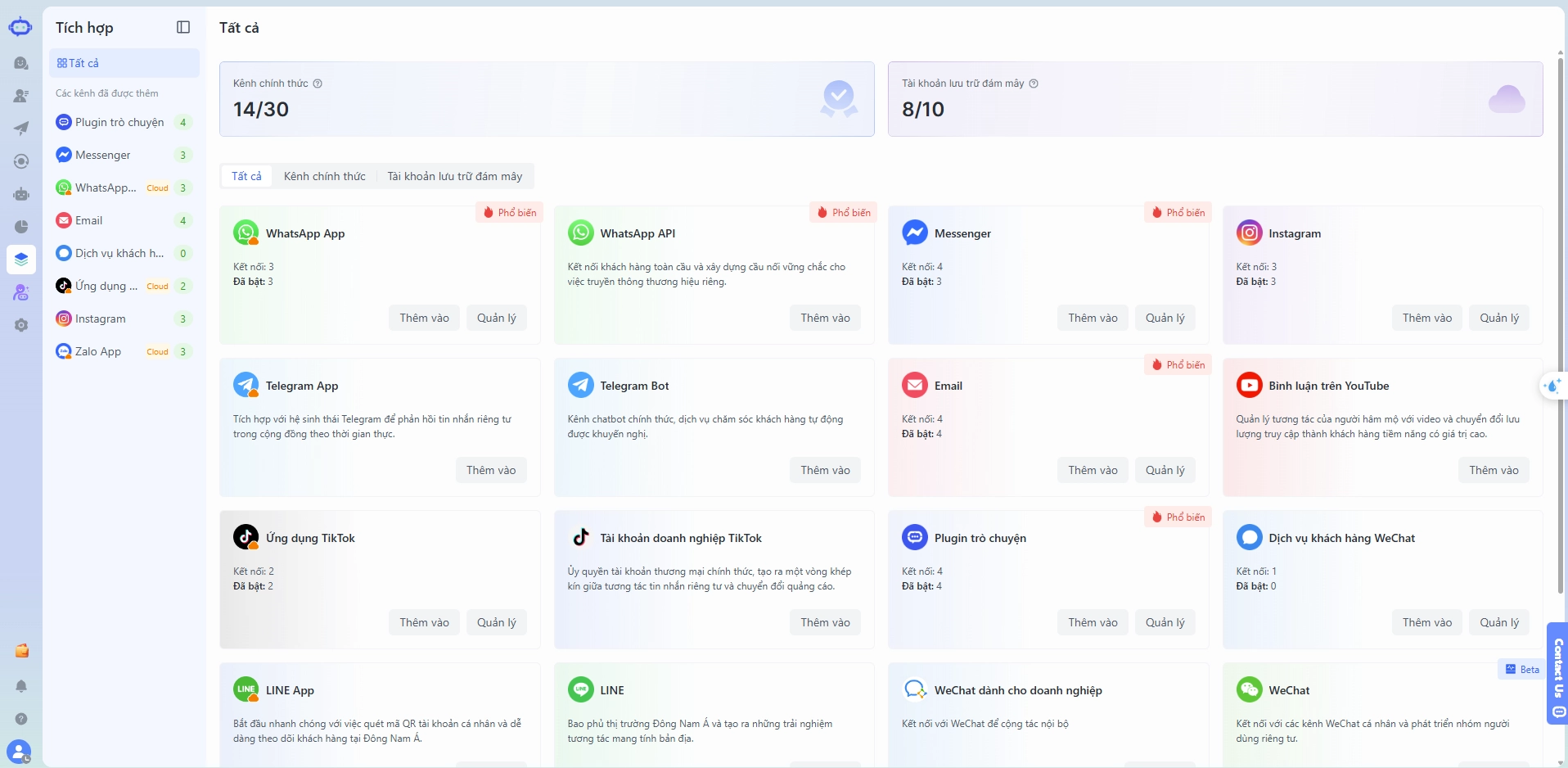
In practice, many businesses combine CDPs with customer engagement platforms such as SaleSmartly to automate communication and personalize interactions across multiple channels, maximizing the value of their customer data.
Conclusion
CDP, CRM, and DMP each play an important role within a modern business data ecosystem, but they serve different purposes. Understanding their differences and how they work together helps organizations make better use of customer data, improve customer experiences, and achieve stronger business outcomes.
As competition continues to intensify, investing in the right data infrastructure is no longer just a trend. It is a strategic foundation for sustainable growth and long-term success.
Top 5 Zalo Customer Support Platforms for Growing Businesses
Compare the top 5 Zalo customer service software solutions in Vietnam. Explore features, pricing, pros, and limitations to find the best fit.
What Is Zalo OA? Definition, Account Types, And How To Create One
What is Zalo OA? Learn Zalo Official Account types, messaging limits, real costs, and step-by-step setup for foreign businesses operating in Vietnam.
