Real Estate Telesales Scripts: Structure, 3 Working Templates, And How To Handle Objections
In residential real estate, the median transaction sits somewhere between $300,000 and $600,000 depending on the market, yet almost every one of those deals starts with a phone conversation lasting under three minutes. Lose the opening, mishandle a single objection, and the lead you paid $50 to $200 to generate walks away, often to a competing agent who ran a tighter call. This is why disciplined real estate telesales scripts matter more in this industry than in almost any other outbound sales context. Read this article for more details!
Why Real Estate Needs Rigorous Script Discipline
Three industry-specific realities make script standardization mandatory rather than optional for real estate teams:
- High cost per lead: Zillow, Realtor.com, and Google real estate ads run at the top of the digital advertising cost curve. Every wasted call represents burned acquisition budget your brokerage cannot easily replace.
- Long decision cycles: Homebuyers typically research for 2 to 6 months before closing. Agents need to maintain touchpoints across multiple channels for extended periods, not just close on the first call.
- Regulatory exposure: TCPA restrictions on cold calling, Do Not Call registry compliance, RESPA disclosures, and state-specific real estate licensing rules all shape what agents are allowed to say and when they can call. Well-designed scripts keep agents within regulatory boundaries automatically.
Beyond compliance, disciplined scripts let sales managers measure conversion rates across agents, spot bottlenecks in the funnel, and coach based on data instead of intuition. This is the operational foundation that separates high-conversion real estate teams from ones that plateau at industry-average close rates.

The Standard Structure Of A Real Estate Telesales Call
Effective real estate cold calls follow a consistent five-part structure. Total call length should typically stay between 4 and 7 minutes, since calls longer than that usually see the prospect disengage.
- Opening (15-20 seconds): Introduce yourself, your brokerage, and the reason for calling. Ask for 1-2 minutes of the prospect's time. This section decides whether the call continues or ends immediately.
- Discovery (60-90 seconds): Ask 3-5 open-ended questions to understand what the prospect is looking for (buy vs sell vs rent), budget, target neighborhoods, and timeline for decision. This is the most important section of the entire call.
- Property or opportunity match (60-120 seconds): Based on discovery, present specific properties or services that fit the prospect's criteria. Focus on 2-3 differentiators rather than reading a full listing description.
- Objection handling (variable): Address the prospect's concerns directly with specific information. Have prepared responses for the 5-7 most common objections in your market ready to deploy without hesitation.
- Close for next step (30-45 seconds): Propose a concrete next action such as a property showing, a video walkthrough, or a follow-up call at a specific time. Confirm the exact time and channel before ending the call.
Three Real Estate Telesales Script Templates
Different lead types need different opening approaches. The three templates below cover the most common lead scenarios that real estate teams encounter.
Template 1: Warm Lead From A Property Inquiry
Opening: "Hi [First Name], this is [Agent Name] with [Brokerage]. I saw you submitted an inquiry about [Property Address] on [Listing Site] about [time frame] ago. I wanted to reach out because that property matches what you described looking for. Do you have a couple of minutes to talk about what you're hoping to find?"
Discovery: "Are you looking to buy for yourself or as an investment? What's the timeline you're working with? Are there specific neighborhoods you're focused on, or are you still exploring options?"
Close: "Based on what you've told me, that property could be a strong fit. Can I send you the full listing details and comparable sales in the neighborhood via email? And would you be open to seeing the property in person this weekend?"
Template 2: Cold Lead From An Old Database
Opening: "Hi [First Name], this is [Agent Name] with [Brokerage]. I noticed you had shown interest in [neighborhood or property type] previously. We just listed something new in that exact area that matches what you were looking for. Can I share the details quickly?"
Handling Disengaged Response: "Totally understand. Let me send the listing to your email so you can look when you have time. If you're interested, just reply, and I'll follow up. Otherwise, I won't reach out unless something else matches what you were looking for."

Template 3: Post-Showing Follow-Up
Opening: "Hi [First Name], this is [Agent Name]. I wanted to follow up after we visited [Property Address] on [day]. What were your thoughts on the property?"
Discovery For Hesitation: "That makes sense. Are there specific concerns holding you back? For example, is it about the price, the location, or the layout? I want to make sure I address anything you're weighing before you decide."
How To Handle The Four Most Common Objections
Objections are part of every real estate call. What separates skilled agents from average ones is the ability to handle these responses calmly and professionally rather than getting defensive:
- "I'm not ready to buy right now": "Completely understand. Do you have a general timeline of when you might want to start looking again? I can add you to a follow-up list and reach out at the right time rather than bothering you now."
- "The price is too high for my budget": "Can you share what budget range you're comfortable with? We have listings across a wide price spectrum, so there may be options that fit better than what we've been discussing."
- "I've already been contacted by too many agents": "I hear you, and I apologize for the extra call. Let me note in our system to remove you from further outreach. If your situation changes, feel free to reach out."
- "Let me think about it": "Absolutely. What timeline are you giving yourself to decide? I can send additional information or comparable sales to help while you're thinking through it."
The common thread across all responses: acknowledge the objection respectfully, ask a probing question to gather more information, and always leave the door open for future contact instead of forcing a close on the current call.
Post-Call Follow-Up That Actually Closes Deals
The first telesales call rarely closes a real estate deal. Most successful transactions come from a chain of interactions across multiple touchpoints: the initial call, an email with listing details, a text message with property photos, a Zalo or WhatsApp check-in, and eventually an in-person showing. Agents who manage these touchpoints across scattered channels routinely lose track of where each prospect is in the funnel and miss critical follow-up moments.
Sending professional pricing and listing emails within 30 minutes of the initial call is one of the highest-leverage follow-up practices in real estate sales. The prospect's interest is still fresh, and a well-formatted email with property photos, comparable sales, and financing details often converts on its own without requiring additional calls.
For agents managing 20-50 active prospects across multiple channels, a unified view of every touchpoint becomes essential to avoid duplicate outreach, missed follow-ups, and lost context. Platforms such as SaleSmartly bring email, SMS, and messaging app conversations into a single view per prospect, so any agent picking up a lead sees the full history of prior calls, emails, and showings without hunting through separate tools.
Tools Real Estate Teams Typically Use
Scripts alone are content. Making them work at team scale requires the right supporting tools. The three tool categories that most real estate sales operations invest in:
- Dialer and call recording platforms: RingCentral, PhoneBurner, Mojo Dialer, JustCall. Enable high-volume outbound calling, call recording for training, and automatic lead distribution.
- Real estate CRM: Follow Up Boss, Boomtown, kvCORE, Wise Agent. Manage lead pipeline by stage (new, contacted, showing scheduled, closed), store detailed prospect information, and trigger automated follow-up sequences.
- Multi-channel messaging platform: Handles the ongoing text and email conversations that happen between calls, keeping the interaction history synchronized across channels so no touchpoint gets lost.
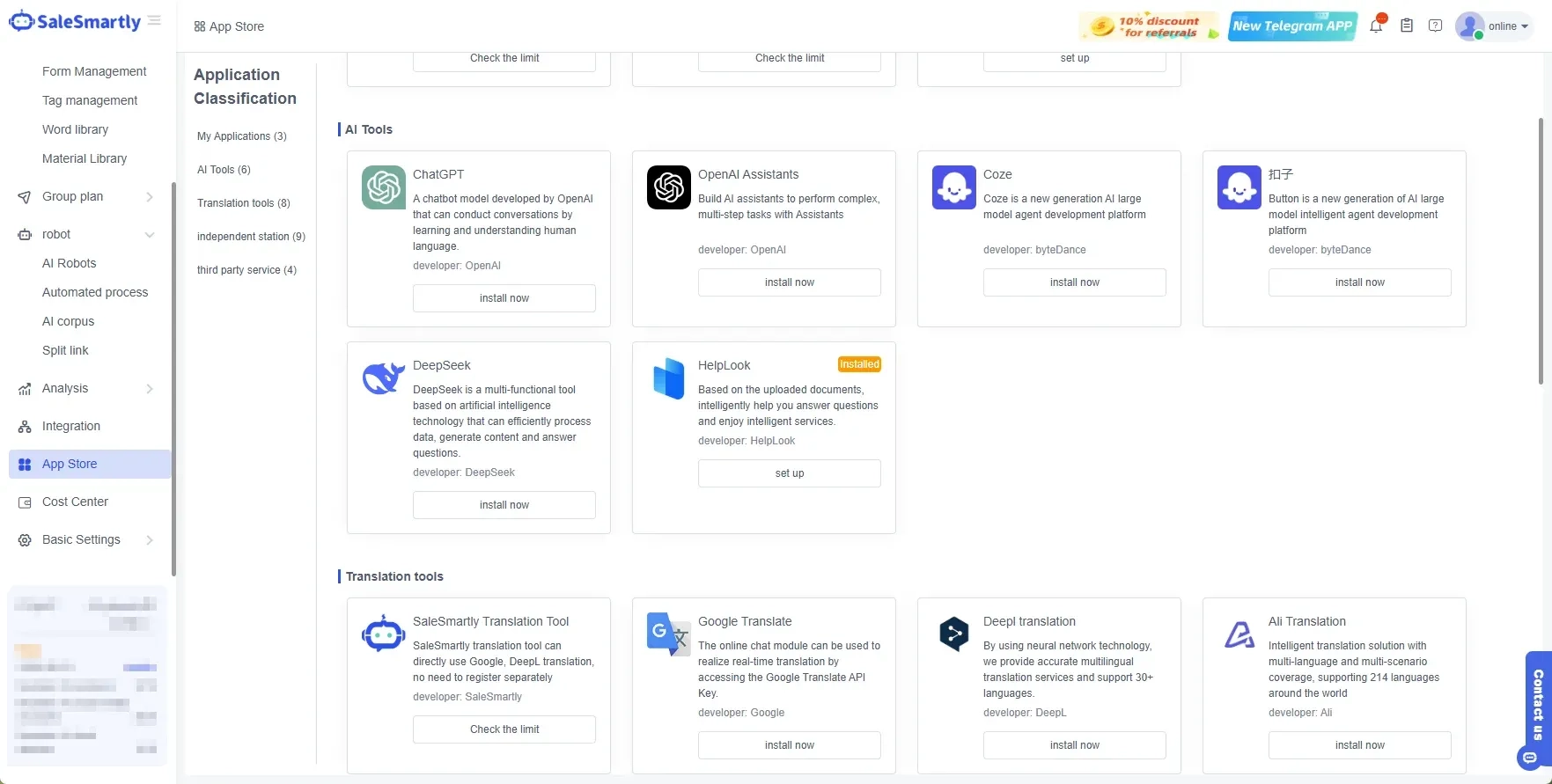
Choosing tools that fit your team size matters. Small teams under 5 agents often start with simple combinations, while larger brokerages need integrated stacks where CRM, dialer, and messaging platforms share data automatically.
Conclusion
Real estate deals of this size deserve better than improvised phone conversations, and structured scripts pay back through higher lead-to-appointment conversion within the first few months of consistent use. The fastest way to get started is picking your most common lead type (usually inbound inquiries from listing sites), writing a single script for that scenario, running it across 100-200 calls over 2-3 weeks, and refining based on what actually converts before scaling to other lead sources.
Customer Service Skills: 7 Core Competencies And How To Build Them Into Your Team
Learn the seven core customer service skills your team needs, how to train each one, and how to spot gaps before they cost you customer loyalty.
What Is NPS? How To Measure And Improve Customer Loyalty
NPS (Net Promoter Score) measures customer loyalty. Learn how to calculate NPS, classify 3 customer groups, and apply strategies to improve your score.
